
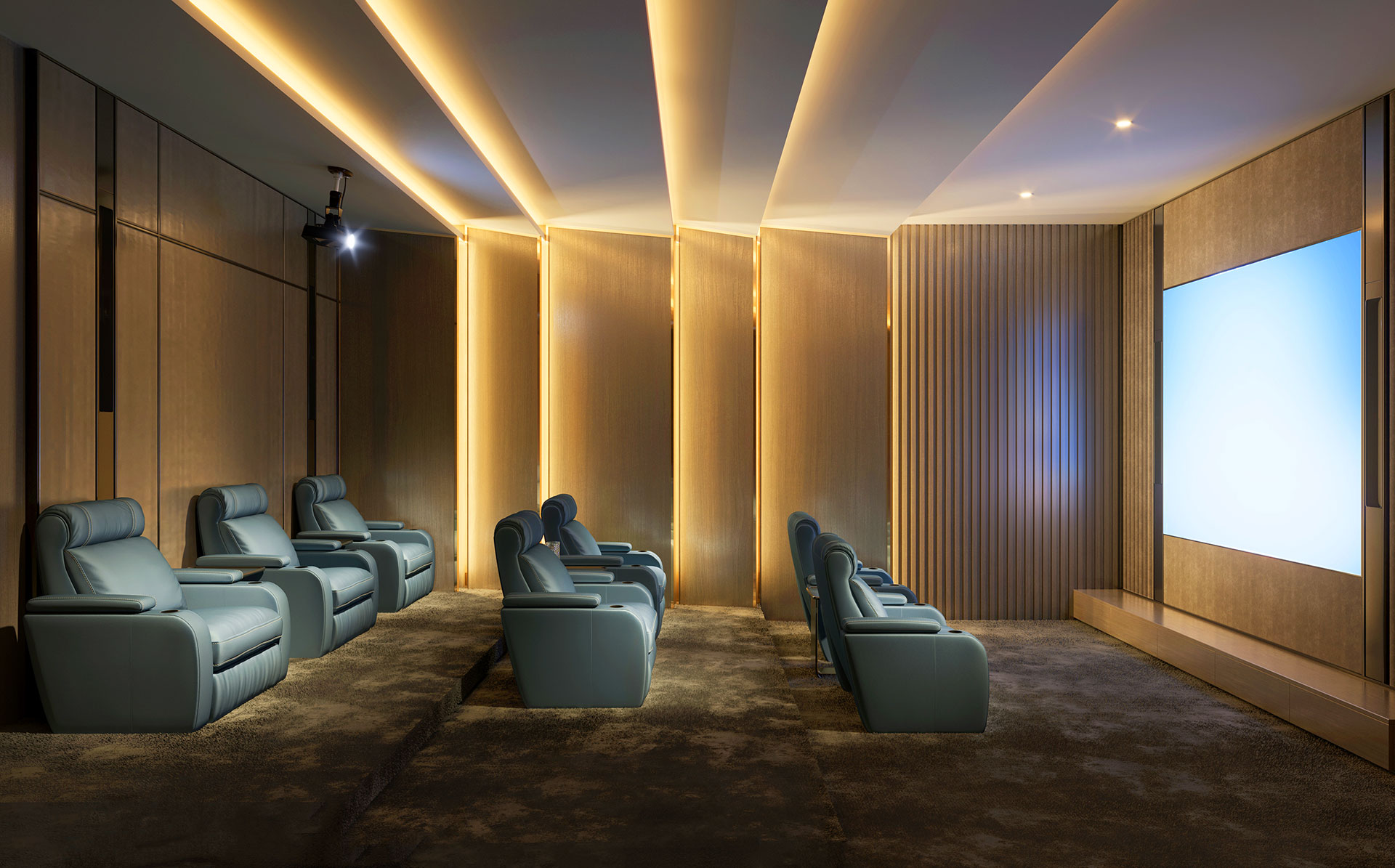
Imagine sinking into your couch, pressing play on the latest blockbuster, and being completely enveloped by sound that seems to fall from the sky above you. That’s the magic of home theater ceiling speakers, the unsung heroes of immersive audio that transform an ordinary living room into a cinematic powerhouse. Whether you’re a movie buff, a music lover, or someone who simply craves that “wow” factor, ceiling speakers deliver a clean, clutter-free audio experience that floor-standing towers simply can’t match.
Why Home Theater Ceiling Speakers Are a Game-Changer
Modern audio formats like Dolby Atmos and DTS:X rely on overhead sound to create a true three-dimensional listening experience. Without speakers above you, you’re missing an entire layer of cinematic detail, the rumble of a helicopter, raindrops splashing on a roof, or footsteps echoing across a cathedral ceiling.
Home theater ceiling speakers offer several distinct advantages over traditional setups:
- Space-saving design: No bulky speakers cluttering your floor or shelves.
- Aesthetic appeal: Flush-mounted speakers blend seamlessly with your ceiling.
- Immersive surround sound: True overhead audio for object-based formats.
- Whole-home audio potential: Many ceiling speakers double as multi-room solutions.
Types of Ceiling Speakers to Consider
Not all ceiling speakers are created equal. Understanding the different types will help you make a smarter purchasing decision based on your room and listening goals.
1. In-Ceiling Speakers
These are installed flush into the ceiling drywall, with only the grille visible. They’re perfect for a clean, minimalist look and work exceptionally well in finished homes where aesthetics matter.
2. Pivoting (Angled) Ceiling Speakers
Featuring tweeters that can pivot toward the listening position, these speakers are ideal when ceiling speakers are placed off-center. They allow you to direct the sound exactly where it needs to go.
3. Atmos-Enabled Ceiling Speakers
Specifically designed for Dolby Atmos and DTS:X, these speakers angle the sound waves down to the listening area, creating that signature overhead effect that makes objects feel like they’re moving through your space.
4. Frameless or “Trimless” Ceiling Speakers
For the ultimate seamless aesthetic, frameless models can be painted to match your ceiling, virtually disappearing from sight while delivering big sound.
Key Features to Look For
When shopping for the best home theater ceiling speakers, keep these specifications in mind:
- Driver size: Larger woofers (6.5″ to 8″) deliver fuller bass response.
- Frequency response: Look for a wide range (e.g., 40Hz–20kHz) for richer sound.
- Power handling: Match the speaker’s wattage to your AV receiver’s output.
- Sensitivity rating: Higher sensitivity (88dB+) means louder sound with less power.
- Moisture resistance: Important if installing in bathrooms or outdoor patios.
How Many Ceiling Speakers Do You Need?
The number of ceiling speakers you need depends on your room size and desired audio format:
- 5.1.2 setup: 2 ceiling speakers (entry-level Atmos)
- 5.1.4 setup: 4 ceiling speakers (front and rear overheads)
- 7.1.4 setup: 4 ceiling speakers paired with 7 surround channels (premium experience)
- 9.1.6 setup: 6 ceiling speakers for the ultimate audiophile cinema
For most living rooms, a 5.1.4 configuration hits the sweet spot between performance and complexity.
Best Placement for Home Theater Ceiling Speakers
Placement is everything. Even the most expensive speakers will underperform if installed incorrectly. Here are some general guidelines based on Dolby’s recommendations:
Front Ceiling Speakers
Position them slightly in front of your seating area, between the main listening position and your front speakers. A 30-55 degree angle from the listener works best.
Rear Ceiling Speakers
Place these slightly behind the listening position, mirroring the front overheads. Aim for a 125-150 degree angle from the front of the room.
Spacing Tips
- Keep speakers at least 3 feet from walls when possible.
- Maintain symmetry, left and right ceiling speakers should be equidistant from the center.
- Avoid placing speakers directly above ceiling fans or HVAC vents.
Wired vs. Wireless: What’s Best?
Most premium home theater ceiling speakers are wired for the best sound quality and reliability. Wireless options exist but typically can’t match the dynamic range and low-latency performance needed for true cinematic audio. If you can run speaker wire through your ceiling, always go wired.
If you’re starting from scratch and want a complete blueprint for crafting that cinema-grade experience at home, our guide on the ultimate home theater setup that makes Netflix feel like a cinema walks you through every component, from receivers to subwoofers, so your ceiling speakers can truly shine.
Installation: DIY or Hire a Pro?
Installing ceiling speakers can be a manageable DIY project if you’re handy and your ceiling is accessible (e.g., from an attic). However, professional installation is highly recommended if:
- You have a finished ceiling without easy access above.
- You’re working with multiple speakers and complex wiring runs.
- You want to ensure perfect calibration with your AV receiver.
- You’re dealing with insulation, electrical wiring, or fire codes.
Common Mistakes to Avoid
Even seasoned audiophiles can fall into these traps when installing ceiling speakers:
- Skipping room calibration: Always run your receiver’s auto-calibration (Audyssey, Dirac, YPAO) after installation.
- Underpowering speakers: Make sure your receiver can handle the additional channels.
- Improper angles: Mounting speakers too far forward or backward kills the immersive effect.
- Mismatched speakers: Try to match the timbre of your ceiling speakers with your existing system for cohesive sound.
Top Brands Worth Considering
When investing in ceiling speakers, brand reputation matters. Some of the most respected names in the industry include:
- Klipsch: Known for dynamic, lively sound perfect for action films.
- KEF: Renowned for their precision Uni-Q driver technology.
- Polk Audio: Excellent value with strong performance.
- Bowers & Wilkins: Premium audiophile-grade options.
- Sonos (with Sonance): Best for smart home integration.
Final Thoughts
Home theater ceiling speakers are no longer a luxury reserved for high-end installations; they’re an essential component of any modern, immersive entertainment system. By choosing the right type, placing them correctly, and pairing them with quality components, you can transform any room into a true cinematic sanctuary.
Remember the key takeaways: invest in speakers that match your room size and format, prioritize proper placement, run your room calibration, and don’t cut corners on installation. With the right setup, every movie night will feel like a premiere, and once you experience true overhead sound, you’ll wonder how you ever lived without it.