
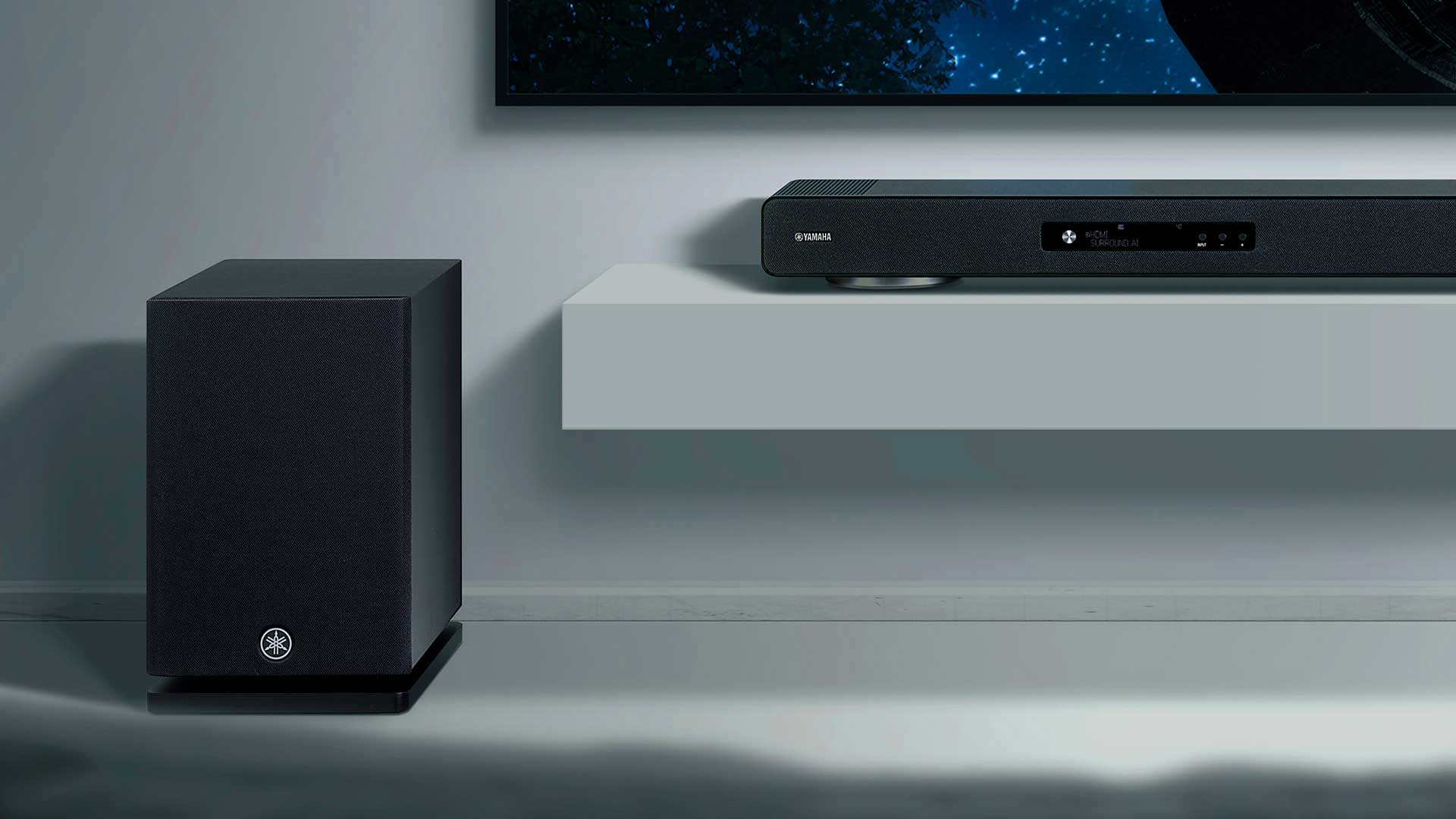
Finding the best home audio speakers can transform your living space into a personal concert hall, bringing every note, beat, and whisper to life with stunning clarity. Whether you’re a casual listener who enjoys background music during dinner or an audiophile seeking that perfect soundstage, choosing the right speakers marks the difference between simply hearing music and truly experiencing it.
Understanding Different Types of Home Audio Speakers
The world of home audio offers an impressive variety of speaker designs, each engineered to excel in specific scenarios. Bookshelf speakers deliver exceptional performance in compact spaces, making them ideal for apartments or smaller rooms where space comes at a premium. These versatile performers typically feature a two-way design with a tweeter and woofer, providing surprisingly full sound from a modest footprint.
For those seeking the ultimate in audio presence and power, tower speakers continue to dominate the home audio landscape with their floor-standing design that houses multiple drivers for extended frequency response and room-filling sound. Their larger cabinets allow for better bass response without requiring a separate subwoofer, though many enthusiasts still add one for that extra low-end impact.
Soundbars have revolutionized home entertainment audio by offering a streamlined solution that doesn’t sacrifice too much quality for convenience. Modern soundbars incorporate advanced processing technologies like Dolby Atmos and DTS:X, creating immersive surround effects from a single unit that sits elegantly beneath your television.
Key Features That Define the Best Home Audio Speakers
Speaker sensitivity ratings tell you how efficiently a speaker converts power into sound, with higher sensitivity speakers requiring less amplification to reach satisfying volume levels. This becomes particularly important when pairing speakers with lower-powered amplifiers or receivers, as mismatched components can result in disappointing performance or even damage.
Frequency response indicates the range of sounds a speaker can reproduce, typically measured in Hertz (Hz). While human hearing generally spans from 20Hz to 20kHz, the best home audio speakers often extend beyond these limits, ensuring nothing gets lost in translation from the original recording.
Pro Tip: Don’t get caught up in specifications alone. Room acoustics, placement, and your personal listening preferences play equally important roles in determining which speakers will sound best in your home.
Top Considerations When Choosing Home Audio Speakers
Your room’s dimensions and acoustic properties significantly influence speaker selection and placement. Large, open-plan spaces benefit from more powerful speakers with wider dispersion patterns, while intimate listening rooms might achieve better results with smaller, more precise monitors positioned carefully for optimal imaging.
- Budget constraints: Quality speakers exist at every price point, from budget-friendly options under $200 to flagship models exceeding $10,000
- Amplification requirements: Active speakers include built-in amplification, while passive speakers need a separate amplifier or receiver
- Aesthetic preferences: Modern speakers come in various finishes and styles to complement your décor
- Future upgrade path: Consider whether you’ll want to expand to surround sound or add additional components later
Setting Up Your Speakers for Optimal Performance
Speaker placement dramatically affects sound quality, with even the best home audio speakers underperforming when positioned incorrectly. The classic stereo triangle setup places speakers and listener at equal distances, creating an equilateral triangle that provides the ideal soundstage for critical listening.
Wall boundaries interact with speaker output, potentially causing bass buildup or cancelation depending on distance. Most speakers benefit from being pulled away from walls by at least a foot or two, though some designs specifically accommodate near-wall placement with adjustable bass ports or sealed enclosures.
Room treatment doesn’t have to mean ugly foam panels covering your walls. Strategic placement of furniture, rugs, and curtains can effectively manage reflections and standing waves, while decorative acoustic panels blend seamlessly with your interior design while improving sound quality.
Wireless vs. Wired: Making the Right Choice
Wireless speakers have evolved tremendously, with high-resolution protocols like aptX HD and LDAC delivering near-lossless audio quality over Bluetooth connections. The convenience of placing speakers anywhere without running cables appeals to many, especially in rental properties where permanent installations aren’t possible.
Traditional wired connections still offer advantages in reliability and absolute sound quality, particularly for dedicated listening rooms where convenience takes a back seat to performance. Balanced XLR connections and high-quality speaker cables ensure your audio signal arrives intact, without interference or dropouts.
Wireless Advantages
- Easy installation
- Flexible placement
- Multi-room capability
- Smart home integration
Wired Advantages
- Consistent connection
- No battery concerns
- Higher resolution support
- Lower latency
Maintenance and Longevity of Quality Speakers
Well-maintained speakers can provide decades of exceptional performance, making them one of the best long-term investments in your audio system. Regular dusting of driver cones and keeping grilles clean prevents accumulation of debris that can affect sound quality or cause premature wear.
Environmental factors like humidity and temperature extremes can damage speaker components over time. Maintaining consistent room conditions and avoiding placement near heating vents or in direct sunlight helps preserve driver surrounds and internal crossover components.
Periodic inspection of connections ensures oxidation hasn’t compromised signal transfer, while gentle cleaning of binding posts and terminals maintains optimal conductivity. Some audiophiles recommend “exercising” speakers regularly at moderate volumes to keep driver suspensions flexible and responsive.
Making Your Final Decision
Auditioning speakers in your own space remains the gold standard for making an informed purchase decision. Many retailers offer generous return policies that allow you to test speakers with your own music, in your own room, with your own equipment—eliminating the variables that make store demonstrations misleading.
Online reviews and measurements provide valuable data points, but remember that personal preference ultimately trumps technical specifications. The best home audio speakers for your needs are the ones that make you want to rediscover your entire music collection, drawing you into late-night listening sessions where time seems to disappear.
Investing in quality home audio speakers opens up new dimensions in your favorite music, revealing details and emotions you never knew existed in familiar tracks. Whether you choose compact bookshelf speakers for near-field listening, powerful towers for room-filling sound, or convenient wireless options for whole-home audio, the right speakers will reward you with years of musical enjoyment. Take time to research, audition when possible, and trust your ears—they’ll guide you to the speakers that bring your audio dreams to life.