
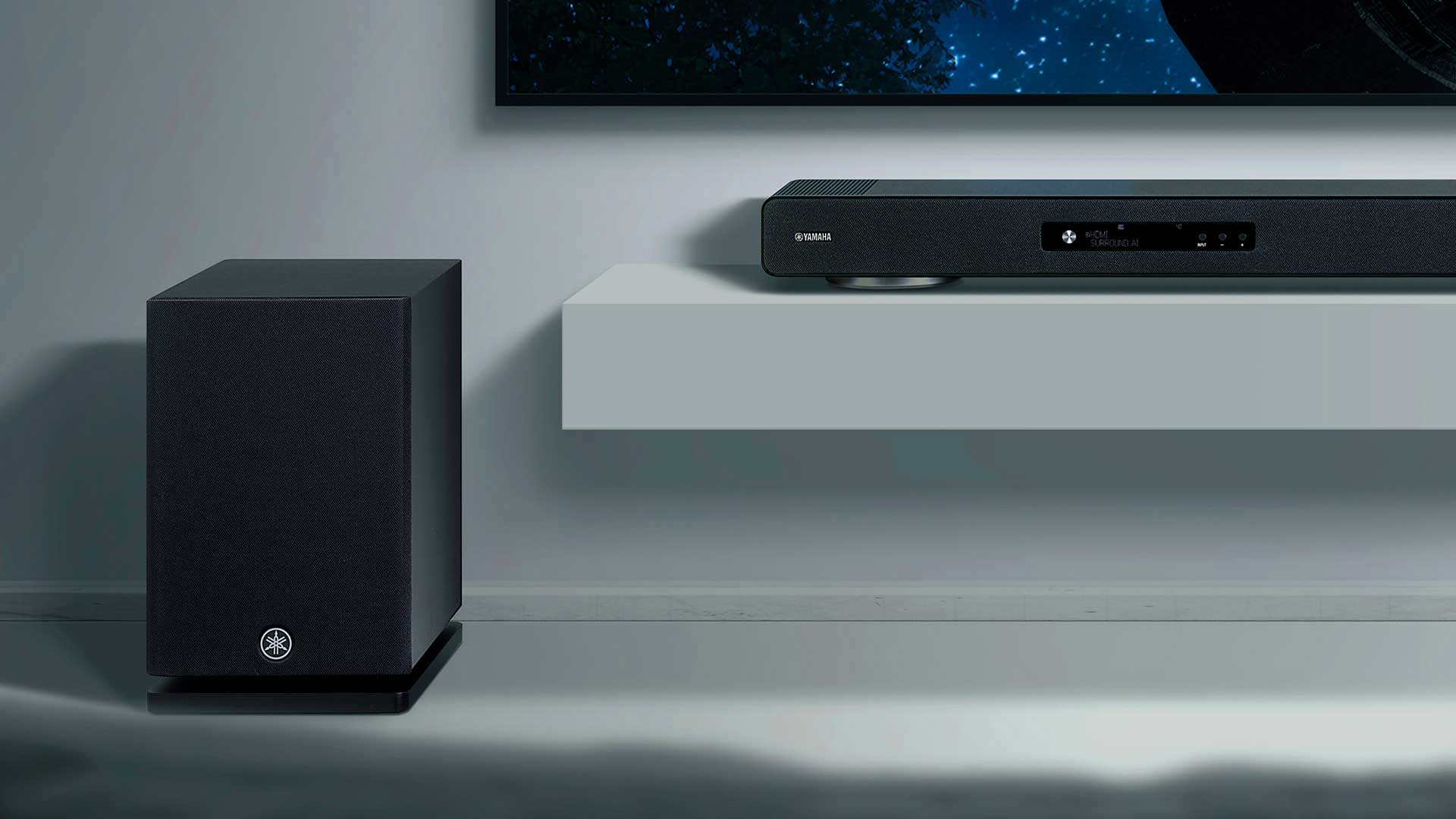
Soundbars are everywhere. They sit neatly under televisions, promise “cinematic sound,” and install in minutes. For many homes, they feel like the easiest upgrade from built-in TV speakers. But convenience is not the same as performance. When sound quality truly matters, bookshelf speakers often outperform soundbars by a wide margin.
The difference comes down to physics, design, and flexibility.
Size Matters in Audio
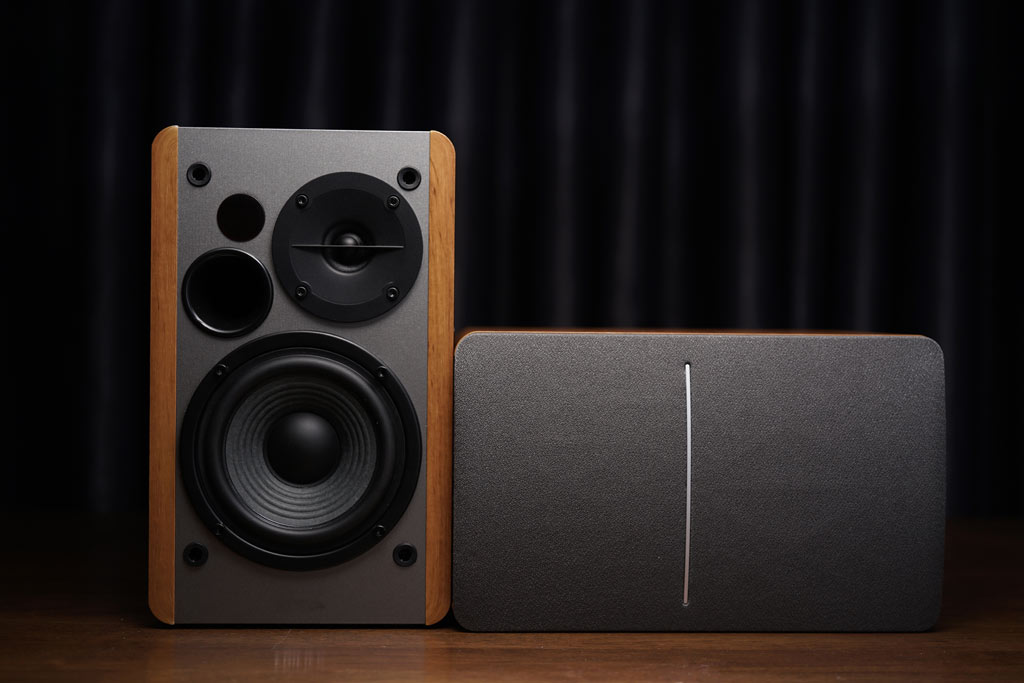
Great sound requires movement of air. Larger speaker drivers can move more air, which produces fuller sound and deeper bass. Bookshelf speakers typically include larger drivers and dedicated tweeters, allowing them to reproduce a wider range of frequencies.
Soundbars, by comparison, squeeze multiple tiny drivers into a narrow enclosure. These smaller drivers struggle to deliver powerful bass or clear separation between audio elements. The result often sounds compressed.
True Stereo Separation
Soundbars sit in one location. Even when they attempt to simulate surround sound, the audio still originates from a single bar beneath the television. This limits the width of the soundstage. Bookshelf speakers sit several feet apart. This spacing creates true stereo separation. Music, dialogue, and effects spread across the room naturally. Instruments and voices occupy their own positions in the soundstage.
The listening experience becomes far more immersive.
Clearer Dialogue and Detail
Bookshelf speakers often deliver clearer midrange frequencies. These midrange tones carry dialogue, vocals, and many subtle details in movies or music. When speakers reproduce these frequencies accurately, voices become easier to understand. Soundbars sometimes struggle with this balance.
Dialogue competes with background music and effects, forcing viewers to constantly adjust the volume.
Upgradability and Flexibility
Another advantage of bookshelf speakers is flexibility. You can build a system gradually. Add a subwoofer later. Introduce surround speakers. Upgrade the amplifier or receiver.
Soundbars offer limited expansion. Most operate as closed systems that cannot grow with your setup.
Advantages Bookshelf Speakers Provide
Audio enthusiasts often choose bookshelf speakers for several key reasons:
- Larger drivers that produce fuller sound
- True stereo separation across the room
- Better midrange clarity for dialogue and music
- Greater flexibility for system upgrades
- Stronger bass performance when paired with subwoofers
These benefits create a richer listening experience.
Music Sounds More Natural
Soundbars focus primarily on television audio. Bookshelf speakers handle music far better. They reproduce vocals, instruments, and spatial cues with greater realism. Listeners often notice subtle details they have never heard before.
A guitar string vibration. The breath of a vocalist. The quiet decay of piano notes.
The Difference Becomes Obvious
At first, the difference between soundbars and bookshelf speakers may seem small. But after a few minutes of listening, it becomes clear. The room fills with sound. Dialogue sharpens. Music gains depth. Suddenly, movies and music feel alive again. And once you experience that improvement, it is difficult to return to a single bar beneath the TV.