
Modern televisions look incredible. Ultra-thin screens deliver sharp images, vibrant colors, and stunning detail. But while picture quality has improved dramatically, audio quality has quietly moved in the opposite direction. The reason is simple. TVs have become thinner, and great speakers need space.
As a result, the built-in speakers inside most televisions struggle to produce the kind of sound movies were designed to deliver.
The Problem With Ultra-Thin TVs
Television manufacturers prioritize sleek design. Slim frames leave little room for proper audio components. Small internal speakers must fit inside extremely tight spaces, which limits their ability to move air and reproduce deep sound. This creates several noticeable problems.
Dialogue may sound weak. Music lacks depth. Action scenes lose the impact that filmmakers intended. Even at higher volumes, the sound often feels flat.
Dialogue Gets Lost in the Mix
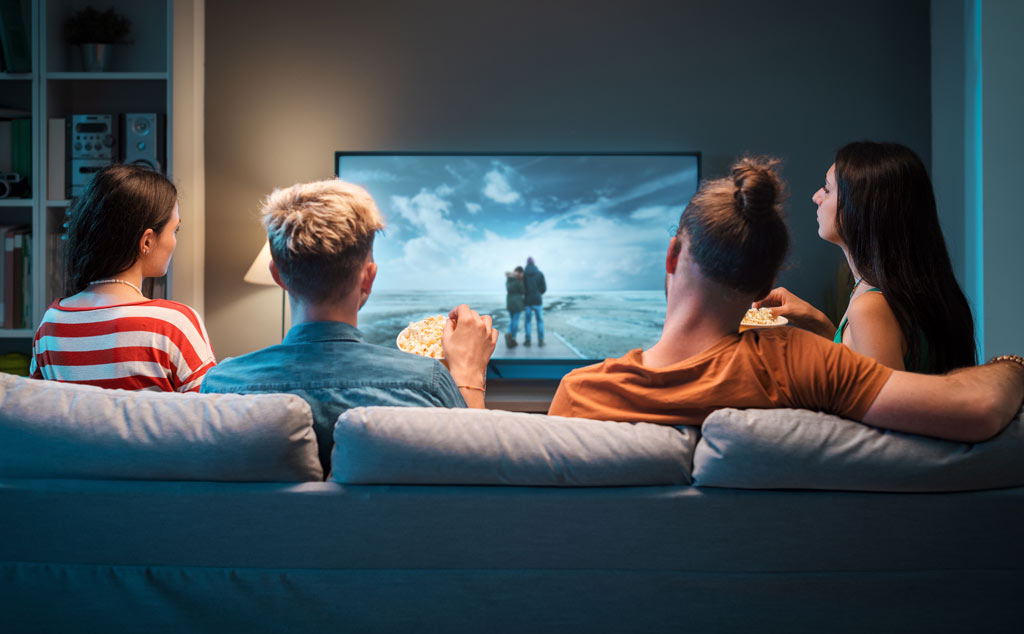
One of the most common complaints from viewers is unclear dialogue. People constantly adjust the volume. Quiet conversations become hard to hear, while explosions or background music suddenly become too loud.
This happens because TV speakers struggle to separate audio layers properly. Without dedicated channels for dialogue, voices compete with other sounds in the soundtrack. The result is constant volume adjustments during every movie.
Movies Are Designed for Surround Sound
Film soundtracks are not created for tiny television speakers.
They are designed for multi-speaker environments like theaters or home surround systems. These setups separate sound into multiple channels, allowing each element of the audio to occupy its own space. When that soundtrack is forced through two tiny TV speakers, much of the detail disappears. The cinematic experience becomes compressed and incomplete.
Signs Your TV Audio Needs Help?
If any of these issues sound familiar, your TV speakers may be limiting your viewing experience:
- Dialogue sounds muffled or hard to understand
- Volume jumps dramatically between scenes
- Music and background sound overpower voices
- Action scenes lack depth or impact
- You constantly adjust the volume during movies
These problems rarely come from the content itself. They come from the limitations of built-in speakers.
External Audio Changes Everything
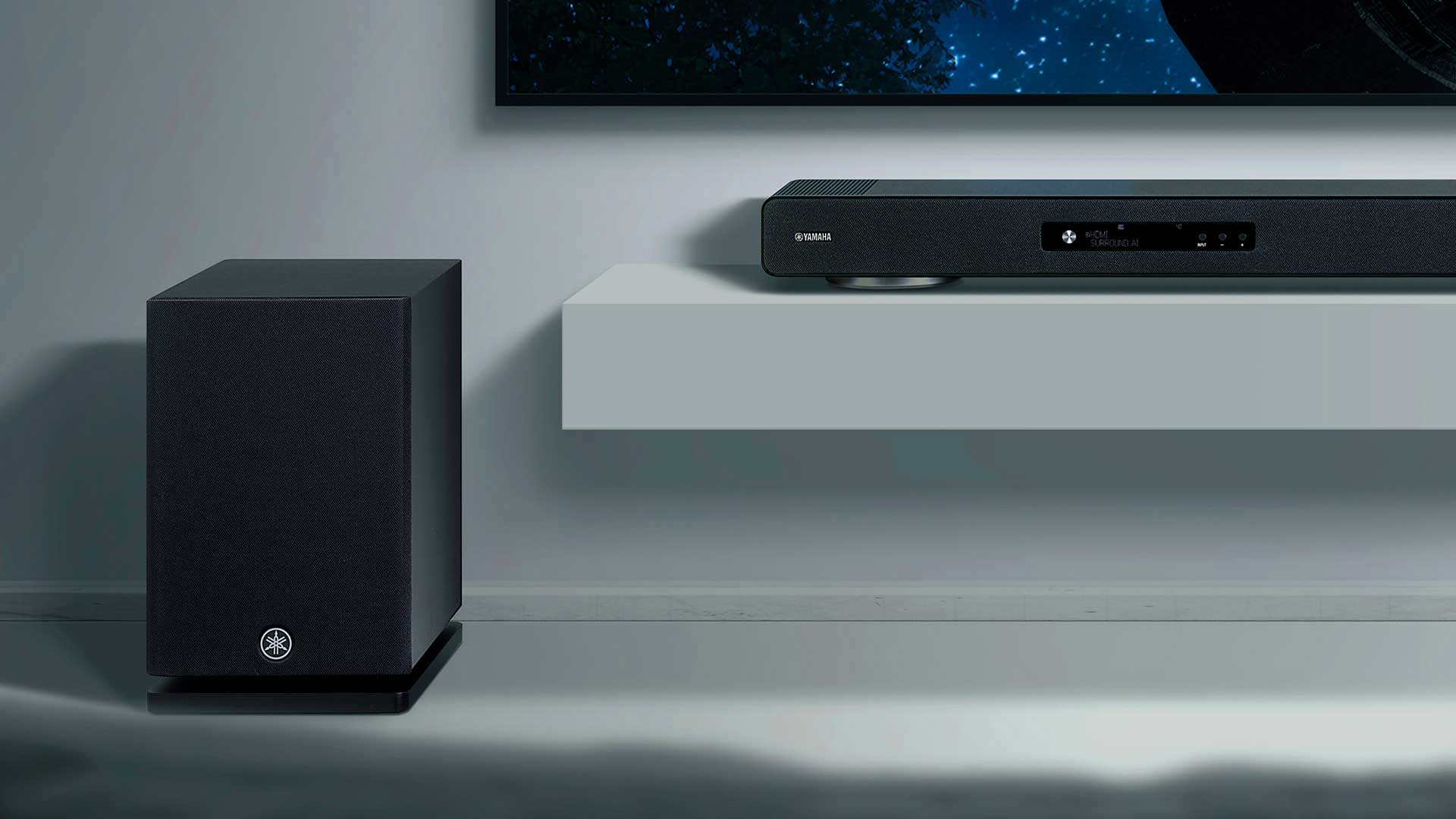
Even a modest audio upgrade can dramatically improve the experience. Soundbars, surround speakers, or dedicated audio systems provide larger drivers and better sound processing. They allow movies to breathe again.
Dialogue becomes clearer. Music gains richness. Explosions carry real weight.
Great Movies Deserve Great Sound
Directors and sound engineers spend months crafting the audio experience for a film. When that work plays through small television speakers, much of the artistry disappears. Better audio brings it back. And once you hear movies the way they were meant to sound, it becomes difficult to go back.