
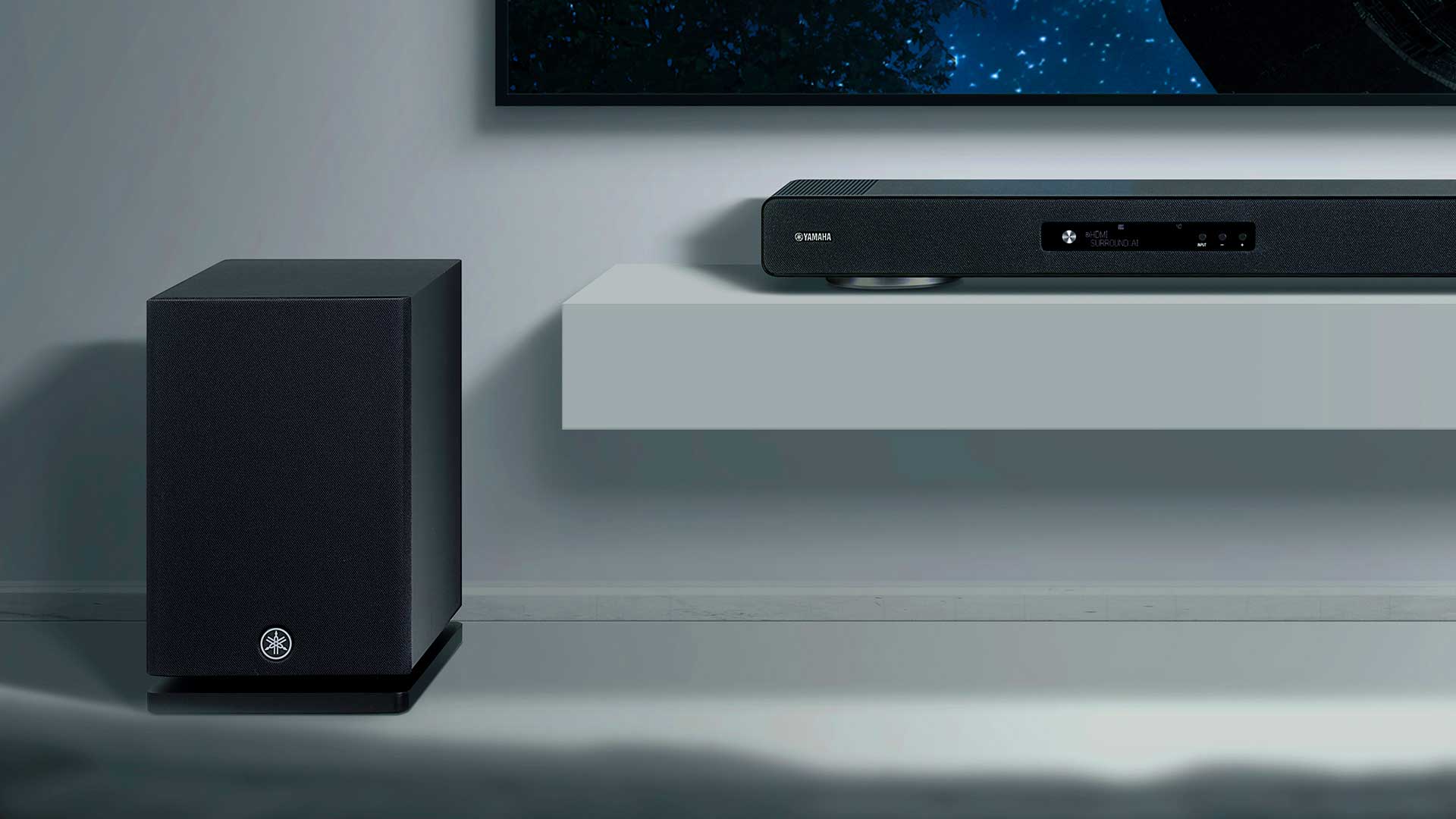

Ever left a movie theater wondering why your living room TV sounds like it’s whispering compared to that wall of sound at the cinema? You are not imagining things. The gap between a standard home audio setup and genuine theatrical sound comes down to one thing: the speakers doing the heavy lifting behind the scenes.
Getting that same chest-thumping, dialogue-clear, edge-of-your-seat experience at home is not some unreachable fantasy reserved for Hollywood screening rooms. With the right movie theater speakers, your den, basement, or spare room can deliver sound that rivals your favorite multiplex, minus the sticky floors and overpriced popcorn.
What Are Movie Theater Speakers?
Movie theater speakers are high-performance audio components engineered to reproduce cinematic sound with precision, power, and depth. They typically include front, center, surround, and subwoofer channels designed to work together, delivering clear dialogue, immersive effects, and deep bass just like a commercial cinema. Quality matters more than sheer volume for true theatrical realism.
Quick Insight: A true theater sound experience relies on five key elements: clear center channel dialogue, wide front stage imaging, immersive surround channels, deep low-frequency bass, and properly calibrated volume levels across every speaker.
Why Your Speaker Choice Makes or Breaks the Experience
Most people upgrade their TV long before they think about audio. That is backwards. Visuals only tell half the story, and sound is what actually pulls you into a scene emotionally. A whisper in a horror film, a rumbling explosion in an action sequence, or a subtle score swelling during a dramatic moment all depend entirely on speaker quality.
Think about it this way. Have you ever watched a movie on mediocre speakers and felt strangely disconnected, even though the plot was great? That disconnect is almost always an audio problem, not a storytelling one.
The Core Components of a Theater-Grade Speaker System
Building a home theater setup that actually competes with commercial cinemas requires understanding the different speaker roles involved. Each one serves a distinct purpose, and skipping any of them creates gaps in your soundstage.
- Front Left and Right Speakers: Handle music, ambient sound, and most of the stereo imaging.
- Center Channel Speaker: Carries roughly 70% of movie dialogue, making it arguably the most important speaker in the room.
- Surround Speakers: Create the sensation of being inside the scene, placing footsteps and background noise around you.
- Subwoofer: Delivers low-frequency effects like explosions, engine rumbles, and thunderous impacts.
- Height or Overhead Channels: Add vertical sound movement for formats like Dolby Atmos, simulating rain, aircraft, or falling debris overhead.
Choosing the Right Speaker Setup for Your Space
Not every room needs a full 7.1.4 Dolby Atmos rig. Your ideal setup depends on room size, budget, and how serious you want to get about the immersive factor.
Small to Medium Rooms
A solid 5.1 system, consisting of front left, front right, center, two surrounds, and a subwoofer, is often plenty. It delivers a genuinely cinematic feel without overwhelming a smaller space acoustically.
Larger Rooms or Dedicated Theater Spaces
Here is where you can go bigger with 7.1 or even 9.1 configurations, adding rear surround channels for deeper immersion. If you have the ceiling access and budget, incorporating overhead channels transforms the entire experience. Many homeowners exploring this upgrade look into home theater ceiling speakers to add that vertical layer of sound that makes rain, wind, and flyover effects feel genuinely three-dimensional.
Pro Tip: Placement matters as much as speaker quality. Even premium speakers will sound flat if positioned incorrectly. Center channels should sit at ear level, and surrounds should be angled toward the seating area, not the walls.
Key Features to Look For When Buying Movie Theater Speakers
Shopping for cinema-quality audio can feel overwhelming with so many brands and specs thrown around. Focus on these essentials instead of getting lost in marketing jargon.
- Frequency Response Range: Wider ranges capture more detail, from deep bass to crisp highs.
- Power Handling: Match speaker wattage to your amplifier or receiver to avoid distortion at higher volumes.
- Sensitivity Rating: Higher sensitivity means louder output with less power required.
- Build Materials: Look for quality drivers and cabinet construction that reduce unwanted vibration.
- Format Compatibility: Ensure support for Dolby Atmos, DTS:X, or whichever surround format you plan to use.
In-Wall, In-Ceiling, or Freestanding?
This decision often comes down to aesthetics as much as performance. Freestanding towers and bookshelf speakers offer flexibility and easy upgrades later. In-wall and in-ceiling options provide a cleaner look, ideal for those who want theater sound without visible equipment cluttering the room.
Common Mistakes People Make When Building a Home Theater Sound System
Even enthusiastic upgraders trip up on a few recurring issues. Avoiding these mistakes saves both money and frustration.
- Ignoring the center channel and prioritizing front speakers only
- Placing subwoofers in corners without testing for boomy, uneven bass
- Skipping acoustic treatment like rugs, curtains, or panels
- Mismatching speaker brands without checking tonal consistency
- Overspending on speakers while neglecting a quality receiver or amplifier
Remember: A balanced system with mid-range speakers properly placed will almost always outperform mismatched premium speakers thrown into a room without planning.
Setting a Realistic Budget
Home theater audio spans a huge price range, and understanding where your money goes helps avoid overspending on the wrong components.
- Entry-Level Setups: Budget-friendly soundbars with subwoofers, great for casual viewers.
- Mid-Range Systems: Dedicated 5.1 speaker packages offering genuine surround sound improvement.
- High-End Configurations: Custom-installed setups with in-ceiling channels, premium subwoofers, and calibrated receivers for true cinema replication.
Whatever your budget, prioritize speaker quality over sheer quantity. Four excellent speakers will always outperform seven mediocre ones.
Final Thoughts
Creating a true theatrical audio experience at home is entirely achievable once you understand the fundamentals of speaker roles, placement, and room acoustics. Prioritizing a strong center channel, balanced surround coverage, and properly tuned bass will transform ordinary movie nights into something genuinely immersive. Whether you start small with a basic 5.1 setup or go all in with ceiling channels and Atmos support, the payoff is a viewing experience that finally matches the visual spectacle on screen.
Frequently Asked Questions
How many speakers do I need for a home theater system?
A minimum of five speakers plus a subwoofer, known as a 5.1 setup, delivers a genuinely immersive experience for most rooms.
Are soundbars a good alternative to full speaker systems?
Soundbars offer convenience and decent sound but generally cannot match the separation and depth of a dedicated multi-speaker setup.
Do I need a separate amplifier for movie theater speakers?
Most setups require an AV receiver to power multiple channels and decode surround sound formats properly.
What is the ideal placement for a subwoofer?
Avoid corners when possible and test multiple locations, since bass response varies significantly depending on room shape and furniture.
Can I add ceiling speakers to an existing surround sound system?
Yes, most modern receivers support additional height channels, allowing you to expand an existing setup with overhead speakers for Atmos-style effects.