

Your backyard movie nights shouldn’t end when the sun goes down or the clouds roll in. An outdoor TV transforms patios, decks, and poolside lounges into year-round entertainment hubs that rival anything indoors. But not every television can handle the sun’s glare, summer humidity, or a sudden downpour, which is exactly why this guide exists.
What Is an Outdoor TV and How Is It Different from a Regular TV?
An outdoor TV is a television engineered with weatherproof casing, anti-glare or high-brightness screens, and sealed components that resist moisture, dust, heat, and UV damage. Unlike standard indoor TVs, outdoor models use specialized panels designed to stay visible in direct sunlight and function reliably across extreme temperature swings.
Why Standard TVs Fail Outdoors
Indoor televisions are built for climate-controlled rooms, not fluctuating weather. Placing a regular TV outside, even under partial cover, can shorten its lifespan dramatically. Here’s what typically goes wrong:
- Glare and washout: Standard screens struggle against direct sunlight, making content nearly invisible.
- Moisture damage: Humidity and rain can corrode internal circuitry.
- Overheating: Indoor TVs lack ventilation systems designed for high ambient heat.
- Pest and dust intrusion: Non-sealed vents allow debris to settle inside the unit.
Key Features to Look For in an Outdoor TV
Brightness and Visibility
Look for a display with at least 1,500 to 2,500 nits of brightness if the TV will be in direct sunlight. Partially shaded areas can work with slightly lower brightness ratings, but higher is always safer for clarity.
Weatherproof Rating
Check for an IP (Ingress Protection) rating that confirms resistance to dust and water. Full-sun models typically offer more robust sealing than partial-shade or shade-only versions.
Operating Temperature Range
Outdoor TVs are built to function in both scorching summers and freezing winters. Always confirm the manufacturer’s listed temperature tolerance before installation.
Durable, Weather-Resistant Housing
Quality outdoor TVs use anti-corrosive materials and sealed ports to prevent rust, swelling, or electrical shorts from moisture exposure.
Where to Install Your Outdoor TV
Placement matters just as much as the TV itself. Consider these common outdoor zones:
- Covered patios: Ideal for partial-sun TVs with moderate brightness.
- Poolside areas: Require high water-resistance ratings due to splashing and humidity.
- Open decks: Best suited for full-sun, high-nit displays.
- Outdoor kitchens: Should factor in heat from grills and direct exposure to smoke or grease.
Building a Complete Outdoor Entertainment Experience
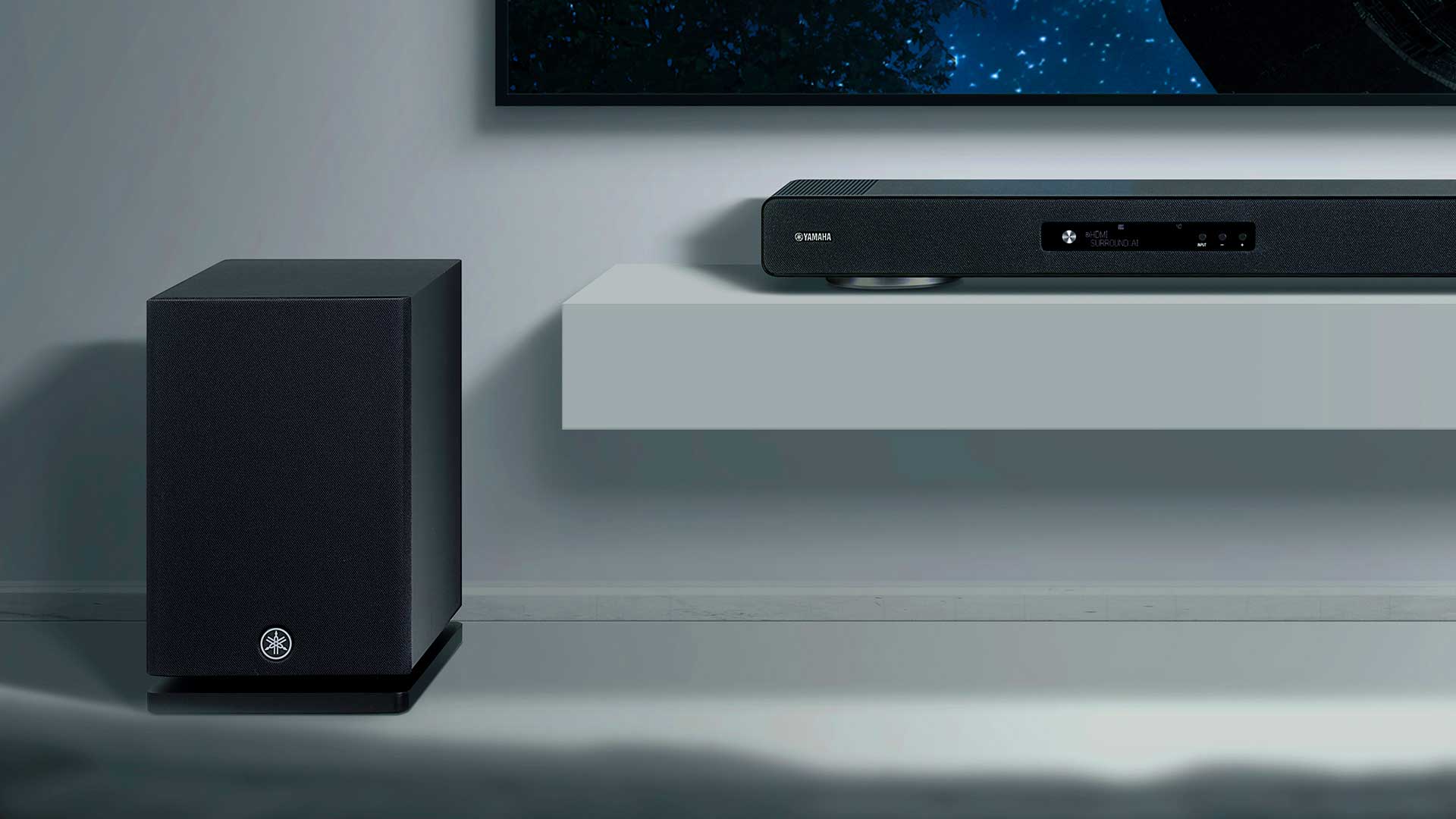
A stunning picture deserves equally immersive sound. While many homeowners focus solely on the screen, audio quality plays a massive role in creating a true backyard theater experience. If you’re already upgrading your indoor setup, it’s worth exploring how home theater ceiling speakers can elevate sound clarity and depth, offering inspiration for how layered audio zones might extend seamlessly from your living room to your patio.
For outdoor spaces specifically, consider weatherproof speakers mounted under eaves or patio covers to complement your TV setup. Positioning speakers at ear level, away from direct water exposure, ensures consistent sound quality season after season.
Maintenance Tips to Extend Your Outdoor TV’s Lifespan
- Use a weatherproof cover when the TV isn’t in use, especially during storms or heavy snowfall.
- Clean the screen with a soft, dry microfiber cloth to avoid scratching the anti-glare coating.
- Inspect seals and ports periodically to confirm no cracks or gaps have developed.
- Avoid direct pressure washing near the unit, even if it’s rated for water resistance.
Is an Outdoor TV Worth It for Your Space?
If you frequently entertain guests, enjoy watching games outside, or simply want to extend your living space into the backyard, an outdoor TV can completely change how you use your home. It turns an ordinary patio into a functional, social, and comfortable extension of your indoor living room.
Frequently Asked Questions
Can I use a regular TV outside if it’s covered?
Even under cover, regular TVs remain vulnerable to humidity, temperature swings, and indirect moisture. A dedicated outdoor TV is strongly recommended for long-term durability.
Do outdoor TVs need a special wall mount?
Yes. Outdoor TVs typically require weather-resistant mounts designed to handle wind load, temperature changes, and added weight from protective housing.
How long do outdoor TVs typically last?
With proper installation and maintenance, most outdoor TVs last several years, even in harsh climates, thanks to their reinforced components and sealed designs.
Can outdoor TVs be used in winter?
Many models are built to withstand freezing temperatures, but it’s essential to check the manufacturer’s specified operating range before year-round use.
Do outdoor TVs require different cables or connections?
Outdoor-rated HDMI and power cables are recommended, as they’re designed to resist weather exposure and maintain signal integrity outdoors.
An outdoor TV isn’t just an upgrade, it’s a lifestyle shift that brings comfort, entertainment, and connection to your favorite outdoor space. By choosing the right brightness, weatherproofing, and placement, you can enjoy crisp, reliable viewing no matter the season. Pair it with thoughtful audio choices, and your backyard could easily become the most popular room in the house.