
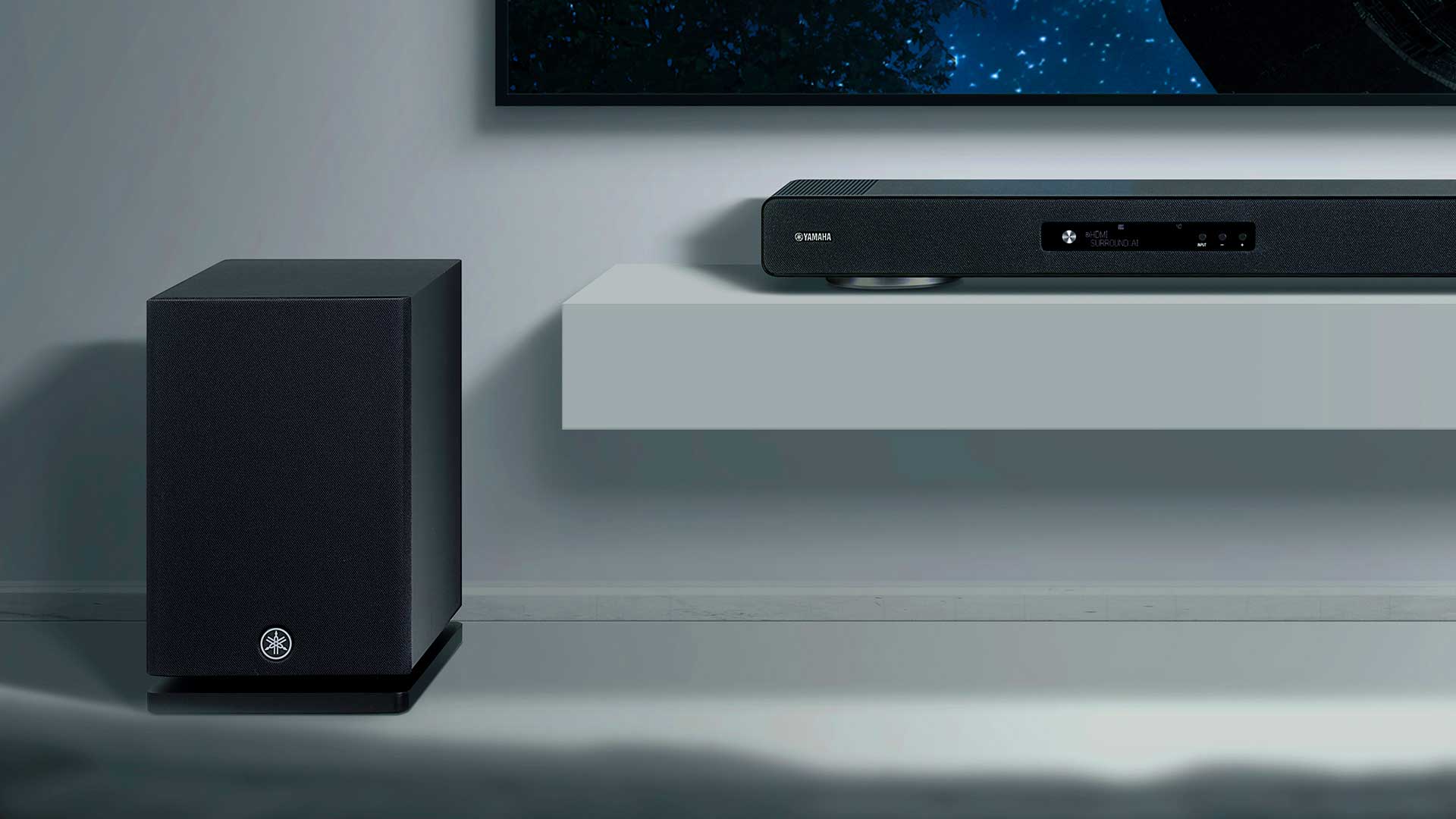

There’s a specific moment every audiophile chases: the first note drops, the room fills with sound, and suddenly your living room feels like a concert hall. Building the right stereo system for home use isn’t about stacking boxes on a shelf. It’s about crafting an experience that turns background noise into something you actually feel.
Most people settle for tinny soundbars or a single smart speaker and wonder why music never quite hits right. The truth is, a proper home stereo setup changes the way you listen, relax, and even work.
What Is the Best Stereo System for Home Use?
Answer: The best home stereo system pairs a quality amplifier, a reliable source component (turntable, streamer, or CD player), and matched bookshelf or floor-standing speakers. Prioritize power handling, room size compatibility, and clean signal paths. A two-channel setup with solid speakers usually outperforms bundled all-in-one systems for long-term sound quality.
Why Your Room Matters More Than You Think
Before buying a single component, look at the space itself. Hard floors and bare walls bounce sound around, creating echo and muddiness. Carpets, curtains, and furniture absorb excess reflections and tighten up the overall clarity.
- Small rooms: Compact bookshelf speakers with a modest amp avoid overwhelming the space.
- Medium rooms: A stereo receiver paired with floor-standing towers fills the area evenly.
- Large or open-plan rooms: Consider added subwoofers or a multi-zone setup to maintain volume without distortion.
The Core Components You Actually Need
Amplifiers and Receivers
The amplifier is the heartbeat of any stereo system. It takes a weak signal and pushes it into something powerful enough to move speaker cones with authority. A receiver combines an amp with built-in tuning and inputs, making it the easiest entry point for most homeowners.
Speakers
Speakers are where the personality of your system truly shows. Bookshelf speakers are compact and versatile, while floor-standing models deliver deeper bass and a fuller soundstage. Matching speaker sensitivity with amplifier output prevents distortion at higher volumes.
Source Components
Whether it’s vinyl, digital streaming, or CDs, your source dictates the quality ceiling of everything downstream. Even the best amp and speakers can’t fix a poor-quality source signal.
Wired vs. Wireless: Which Setup Wins?
Wired systems still offer the most stable, highest-fidelity connection with zero compression loss. Wireless setups, on the other hand, offer flexibility and cleaner aesthetics, letting you place speakers without running cable through walls.
Many homeowners now blend both: a wired front stage for critical listening and wireless satellite speakers for casual background music in other rooms.
Lessons From High-Performance Audio
Interestingly, some of the most advanced audio engineering happens outside the living room entirely. Car audio specialists have spent decades solving problems like tight space constraints, road noise, and power limitations, challenges that mirror what home listeners face in smaller rooms. Understanding what separates high-end audio setups from average ones can actually sharpen how you evaluate componentry, speaker placement, and signal clarity for your own home system.
Common Mistakes That Kill Sound Quality
- Ignoring speaker placement: Pushing speakers flush against walls or corners causes bass buildup and muddiness.
- Mismatched power ratings: Underpowered amps strain and distort; overpowered amps risk blown speakers.
- Cheap cables: Poor wiring introduces noise and signal loss, undercutting expensive gear.
- Skipping room treatment: Even great equipment sounds flat in an untreated, reflective room.
Setting Up for Long-Term Enjoyment
A great stereo system isn’t a one-time purchase, it’s an evolving setup. Start with solid core components, then upgrade speakers, add a subwoofer, or introduce streaming capability as your listening habits grow. This modular approach keeps your system relevant without forcing a full rebuild every few years.
Frequently Asked Questions
Do I need a subwoofer for a home stereo system?
Not always. Many bookshelf and floor-standing speakers handle bass adequately in small to medium rooms. A subwoofer becomes valuable in larger spaces or for listeners who want deeper, more physical low-end response.
Can I mix speaker brands in one system?
Yes, though matching brands or similar tonal characteristics often creates a more cohesive soundstage. Mixing brands works fine as long as impedance and power handling are compatible with your amplifier.
How much space do I need for a proper stereo setup?
A stereo system can work in almost any room, but ideally speakers should be placed several feet apart and away from walls to allow sound to breathe and disperse naturally.
Is wireless audio as good as wired for home stereos?
Modern wireless technology has closed much of the gap, but wired connections still generally deliver more consistent fidelity, especially for critical or high-resolution listening.
Final Thoughts
Building the right stereo system for home listening comes down to understanding your space, choosing balanced components, and avoiding the small mistakes that quietly sabotage sound quality. Whether you’re starting with a simple two-speaker setup or expanding into a full multi-room system, the fundamentals stay the same: quality source, matched components, and thoughtful placement. Get those right, and every song will finally sound the way it was meant to.